Understanding your Genetic Risk for Glaucoma: What Family History Really Means
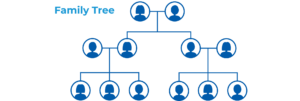
When someone in your family is diagnosed with glaucoma, it’s natural to wonder: could this happen to me? While having a family history of glaucoma significantly increases your risk, understanding exactly what this means can help you take proactive steps to protect your vision.
Glaucoma is often called the “silent thief of sight” because it typically causes no symptoms until significant vision loss has occurred. This makes understanding your genetic risk crucial for early detection and prevention.
The Link Between Family History and Glaucoma
Family history is one of the most significant risk factors for adult-onset glaucoma, particularly for primary open-angle glaucoma (POAG), the most common form of the disease. Approximately half of all people with primary open-angle glaucoma have a family history of the disease, and having a family history of glaucoma raises the risk of developing the condition by 4 to 9 times compared to people without a family history, with the risk increasing up to 10 times if a sibling has the condition.
First-degree relatives of glaucoma patients face a 22% lifetime risk of developing glaucoma themselves compared to just 2.3% in relatives of people without glaucoma, with the prevalence being 10.4% in siblings of glaucoma patients versus 0.7% in siblings of controls.
While most patients with common adult-onset glaucoma do not have a single gene mutation causing the disease but rather multiple genetic variants that confer risk, the familial component is substantial—experts believe that up to 50% of all glaucoma cases have a familial component, with the connection being stronger among siblings than between parents and children
How Glaucoma Is Inherited
Glaucoma inheritance is complex and varies depending on the type and age of onset.
Early-Onset Glaucoma
When glaucoma appears before age 40, genetics usually play a more direct role. Juvenile open-angle glaucoma often follows autosomal dominant inheritance, meaning if one parent has a disease-causing mutation, each child has a 50% chance of inheriting it.
The MYOC gene is responsible for many early-onset cases, accounting for 8-36% of juvenile glaucoma and 2-4% of adult-onset cases. For congenital glaucoma affecting infants, mutations in genes like CYP1B1 follow an autosomal recessive pattern, requiring both parents to carry the mutation.
Adult-Onset Glaucoma
Primary open-angle glaucoma affecting older adults has “complex inheritance.” Multiple genetic variants work together with environmental factors to influence risk. Recent studies have identified thousand of genetic variants that contribute to glaucoma susceptibility.
This complex genetic picture means family history glaucoma risk can skip generations. You might develop the condition without obvious family history or not develop it despite having affected relatives. However, the more family members who have glaucoma, the higher your risk.
When Should You Get Tested?
If you have a family history of glaucoma, early and regular screening is essential. The National Health and Medical Research Council (NHMRC) in Australia provides evidence-based guidelines on when to start comprehensive eye examinations.
NHMRC Recommended Screening Schedule
According to Australian guidelines, screening recommendations vary based on age and family history:
- Caucasians and Asians over age 50 should undertake regular ocular health checks
- Individuals of African descent over age 40 should undertake regular ocular health checks
- First-degree relatives of glaucoma patients should commence screening 5-10 years earlier than the age of onset in their affected relative
- All glaucoma patients should alert first-degree relatives of the benefits of early and regular eye checks
For Australians with a family history of glaucoma, these guidelines emphasise the importance of targeted screening rather than waiting for symptoms to appear. If you have multiple family members with glaucoma or other risk factors like diabetes, more frequent monitoring may be appropriate.
Warning Signs
While chronic glaucoma develops slowly without symptoms, acute angle-closure glaucoma is a medical emergency. Seek immediate care for sudden severe eye pain, headache, blurred vision, rainbow halos, nausea, or vomiting.
Interpreting Your Family Health History
Understanding your family’s eye health history is a powerful tool for protecting your vision. Start by asking first-degree relatives about their eye health:
- Has anyone been diagnosed with glaucoma, and at what age?
- Did they experience vision loss before diagnosis?
- What type of glaucoma was it?
- Have they had elevated eye pressure or been called a “glaucoma suspect”?
Don’t stop with immediate family. Ask about grandparents, aunts, uncles, and cousins as well. While more distant relatives contribute less to your risk, they can help reveal patterns of hereditary glaucoma in your family.
If you discover glaucoma in your family history, it doesn’t mean you’re destined to develop the condition. Rather, it means you belong to a higher-risk group that would benefit from vigilant monitoring. Share your family history with your eye doctor at every visit so they can tailor your screening schedule appropriately.
The Role of Genetic Testing
Advances in genetic testing now make it possible to identify people at elevated risk for glaucoma before symptoms develop. Modern polygenic risk scores analyse millions of genetic variants simultaneously to provide a comprehensive picture of your inherited risk.
Genetic testing may be particularly valuable if you have multiple family members with glaucoma. These tests typically involve a simple saliva sample and can identify whether you carry specific gene variants associated with glaucoma.
It’s important to understand that genetic testing provides risk information, not certainty. A high genetic risk score doesn’t guarantee you’ll develop glaucoma, and a lower score doesn’t mean you won’t. However, this information can guide screening frequency and help detect the earliest signs of disease.
Taking Control of Your Eye Health
Learning about family history glaucoma risk can feel overwhelming, but knowledge is power when protecting your vision. Glaucoma detected early can often be managed successfully, preventing or slowing vision loss.
If you have a family history of glaucoma, schedule a comprehensive eye exam with an ophthalmologist or optometrist. Mention your family history clearly and ask about your recommended screening schedule. Between exams, maintain overall health through exercise, avoiding smoking, protecting your eyes from injury, and managing conditions like diabetes and high blood pressure.
Most importantly, encourage other family members to get screened too. By sharing your family history with relatives, you may give them the information they need to catch glaucoma early and preserve their sight.
The Bottom Line
Your family history of glaucoma matters, but it’s not your destiny. Understanding your genetic risk empowers you to take proactive steps: regular eye exams starting at the appropriate age, open communication with your eye care provider about your family history, and potentially genetic testing to better understand your individual risk.
While you can’t change your genes, you can control how you respond to your genetic risk. With vigilant monitoring and early detection, you have the best chance of preserving your vision for life.
Ready to understand your genetic risk for glaucoma? Learn more about SightScore™ genetic testing and how it can help you and your family stay ahead of glaucoma at www.seonixbio.com.
References & Further Reading
This article draws on peer-reviewed research from:
- National Health and Medical Research Council (NHMRC). Guidelines for the Screening, Prognosis, Diagnosis, Management and Prevention of Glaucoma. Canberra, Australia; 2010.
- Wolfs RCW, et al. Genetic risk of primary open-angle glaucoma: population-based familial aggregation study. Archives of Ophthalmology, 1998.
- Fingert JH, et al. Common and rare genetic risk factors for glaucoma. Cold Spring Harbor Perspectives in Medicine, 2014.
- Craig JE, et al Multitrait analysis of glaucoma identifies new risk loci and enables polygenic prediction of disease susceptibility and progression. Nat Genet. 2020
- Wiggs JL, et al. Genetics of glaucoma. Human Molecular Genetics, 2017.
Understanding your Genetic Risk for Glaucoma: What Family History Really Means
When someone in your family is diagnosed with glaucoma, it’s natural to wonder: could this happen to me? While having a family history of glaucoma significantly increases your risk, understanding exactly what this means can help you take proactive steps to protect your vision.
Glaucoma is often called the “silent thief of sight” because it typically causes no symptoms until significant vision loss has occurred. This makes understanding your genetic risk crucial for early detection and prevention.
The Link Between Family History and Glaucoma
Family history is one of the most significant risk factors for adult-onset glaucoma, particularly for primary open-angle glaucoma (POAG), the most common form of the disease. Approximately half of all people with primary open-angle glaucoma have a family history of the disease, and having a family history of glaucoma raises the risk of developing the condition by 4 to 9 times compared to people without a family history, with the risk increasing up to 10 times if a sibling has the condition.
First-degree relatives of glaucoma patients face a 22% lifetime risk of developing glaucoma themselves compared to just 2.3% in relatives of people without glaucoma, with the prevalence being 10.4% in siblings of glaucoma patients versus 0.7% in siblings of controls.
While most patients with common adult-onset glaucoma do not have a single gene mutation causing the disease but rather multiple genetic variants that confer risk, the familial component is substantial—experts believe that up to 50% of all glaucoma cases have a familial component, with the connection being stronger among siblings than between parents and children
How Glaucoma Is Inherited
Glaucoma inheritance is complex and varies depending on the type and age of onset.
Early-Onset Glaucoma
When glaucoma appears before age 40, genetics usually play a more direct role. Juvenile open-angle glaucoma often follows autosomal dominant inheritance, meaning if one parent has a disease-causing mutation, each child has a 50% chance of inheriting it.
The MYOC gene is responsible for many early-onset cases, accounting for 8-36% of juvenile glaucoma and 2-4% of adult-onset cases. For congenital glaucoma affecting infants, mutations in genes like CYP1B1 follow an autosomal recessive pattern, requiring both parents to carry the mutation.
Adult-Onset Glaucoma
Primary open-angle glaucoma affecting older adults has “complex inheritance.” Multiple genetic variants work together with environmental factors to influence risk. Recent studies have identified thousand of genetic variants that contribute to glaucoma susceptibility.
This complex genetic picture means family history glaucoma risk can skip generations. You might develop the condition without obvious family history or not develop it despite having affected relatives. However, the more family members who have glaucoma, the higher your risk.
When Should You Get Tested?
If you have a family history of glaucoma, early and regular screening is essential. The National Eye Institute provides evidence-based guidelines on when to start comprehensive eye examinations.
Recommended Screening Schedule
For most people with a family history of glaucoma, comprehensive dilated eye exams should begin by age 40. However, certain groups need earlier screening:
- African Americans should begin at age 40, or earlier with strong family history
- Everyone over 60 needs regular exams as risk increases dramatically
- Mexican Americans over 60 face elevated risk
- People of Asian descent have higher risk for angle-closure glaucoma
If you have multiple family members with glaucoma or other risk factors like diabetes, more frequent monitoring may be appropriate. Your eye care provider can determine the right schedule for your situation.
Warning Signs
While chronic glaucoma develops slowly without symptoms, acute angle-closure glaucoma is a medical emergency. Seek immediate care for sudden severe eye pain, headache, blurred vision, rainbow halos, nausea, or vomiting.
Interpreting Your Family Health History
Understanding your family’s eye health history is a powerful tool for protecting your vision. Start by asking first-degree relatives about their eye health:
- Has anyone been diagnosed with glaucoma, and at what age?
- Did they experience vision loss before diagnosis?
- What type of glaucoma was it?
- Have they had elevated eye pressure or been called a “glaucoma suspect”?
Don’t stop with immediate family. Ask about grandparents, aunts, uncles, and cousins as well. While more distant relatives contribute less to your risk, they can help reveal patterns of hereditary glaucoma in your family.
If you discover glaucoma in your family history, it doesn’t mean you’re destined to develop the condition. Rather, it means you belong to a higher-risk group that would benefit from vigilant monitoring. Share your family history with your eye doctor at every visit so they can tailor your screening schedule appropriately.
The Role of Genetic Testing
Advances in genetic testing now make it possible to identify people at elevated risk for glaucoma before symptoms develop. Modern polygenic risk scores analyse millions of genetic variants simultaneously to provide a comprehensive picture of your inherited risk.
Genetic testing may be particularly valuable if you have multiple family members with glaucoma. These tests typically involve a simple saliva sample and can identify whether you carry specific gene variants associated with glaucoma.
It’s important to understand that genetic testing provides risk information, not certainty. A high genetic risk score doesn’t guarantee you’ll develop glaucoma, and a lower score doesn’t mean you won’t. However, this information can guide screening frequency and help detect the earliest signs of disease.
Taking Control of Your Eye Health
Learning about family history glaucoma risk can feel overwhelming, but knowledge is power when protecting your vision. Glaucoma detected early can often be managed successfully, preventing or slowing vision loss.
If you have a family history of glaucoma, schedule a comprehensive eye exam with an ophthalmologist or optometrist. Mention your family history clearly and ask about your recommended screening schedule. Between exams, maintain overall health through exercise, avoiding smoking, protecting your eyes from injury, and managing conditions like diabetes and high blood pressure.
Most importantly, encourage other family members to get screened too. By sharing your family history with relatives, you may give them the information they need to catch glaucoma early and preserve their sight.
The Bottom Line
Your family history of glaucoma matters, but it’s not your destiny. Understanding your genetic risk empowers you to take proactive steps: regular eye exams starting at the appropriate age, open communication with your eye care provider about your family history, and potentially genetic testing to better understand your individual risk.
While you can’t change your genes, you can control how you respond to your genetic risk. With vigilant monitoring and early detection, you have the best chance of preserving your vision for life.
Ready to understand your genetic risk for glaucoma? Learn more about SightScore™ genetic testing and how it can help you and your family stay ahead of glaucoma at www.seonixbio.com.
References & Further Reading
This article draws on peer-reviewed research from:
- National Health and Medical Research Council (NHMRC). Guidelines for the Screening, Prognosis, Diagnosis, Management and Prevention of Glaucoma. Canberra, Australia; 2010.
- Wolfs RCW, et al. Genetic risk of primary open-angle glaucoma: population-based familial aggregation study. Archives of Ophthalmology, 1998.
- Fingert JH, et al. Common and rare genetic risk factors for glaucoma. Cold Spring Harbor Perspectives in Medicine, 2014.
- Craig JE, et al Multitrait analysis of glaucoma identifies new risk loci and enables polygenic prediction of disease susceptibility and progression. Nat Genet. 2020
- Wiggs JL, et al. Genetics of glaucoma. Human Molecular Genetics, 2017.